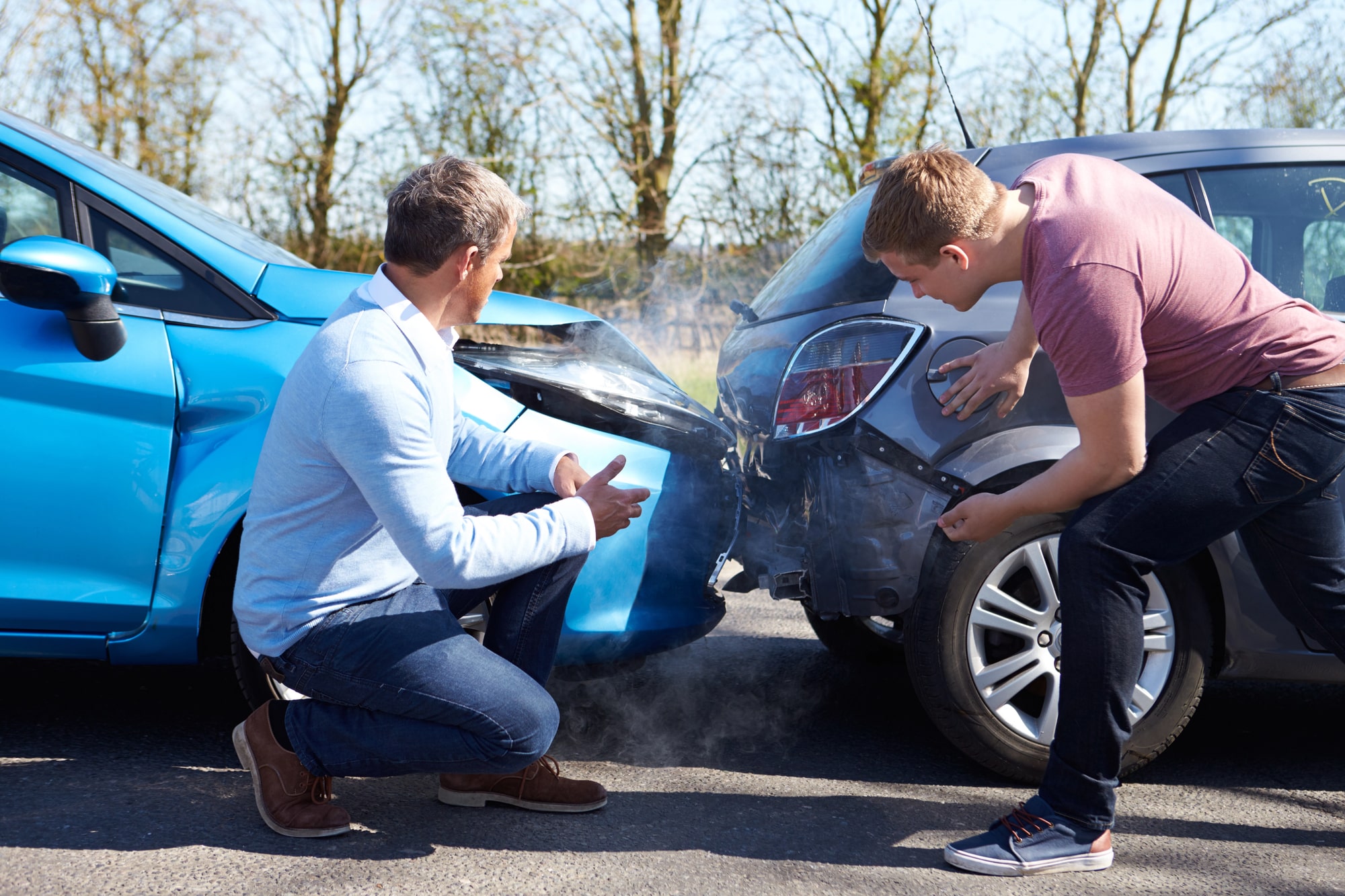
Were you injured in a car accident in White City, OR?
At Andersen & Linthorst, we offer free, confidential case reviews with an experienced White City, OR car accident lawyer.
If you were injured in a car accident in White City or the surrounding Rogue Valley, our White City, OR car accident lawyer can help you pursue a claim for medical expenses, lost income, vehicle damage, and pain and suffering. The firm’s plaintiff practice has covered motor vehicle and injury cases since 1979. Our attorneys handle car accident cases through settlement negotiation, mediation, and trial, with attention to fault documentation, damages preparation, and every layer of insurance coverage that may apply. Contact our office to schedule a free case review.
Car Accident Lawyer White City, OR
Car accident cases in Oregon involve legal issues centered on fault determination, damages documentation, and identification of every applicable insurance policy. Recovery typically proceeds against the at-fault driver’s liability insurance, and where injuries exceed those limits or the at-fault driver is uninsured, against the injured party’s own uninsured or underinsured motorist coverage. Serious crashes may involve additional coverage layers, including umbrella policies, commercial auto policies, and rideshare policies.
NHTSA distracted driving data reports that driver inattention contributes to thousands of crashes annually as a leading behavioral cause of collisions on United States roads. Oregon crash data tracks similar patterns at the state level. White City sits along Oregon Highway 62 (Crater Lake Highway), a primary regional route connecting the Rogue Valley to the Crater Lake area, with commuter, commercial, and seasonal recreational traffic across the greater Jackson County area.
Types of Car Accident Cases We Handle in White City
Our attorneys handle car accident cases across the full range of collision types. Common case types include:
- Rear-end collisions. Following drivers who strike stopped or slowing vehicles bear presumed fault under Oregon rules, and distracted-driving evidence, including phone records, frequently supports the liability case.
- Intersection T-bone collisions. Side-impact crashes at signalized and unsignalized intersections often result from red-light or stop-sign violations, and the physics of side impact produce a disproportionate share of concussion and closed-head injuries.
- Left-turn crashes. Drivers turning left across oncoming traffic without an adequate gap cause a recurring crash pattern, with the turning driver typically bearing fault under Oregon rules.
- Head-on collisions on rural highways. Crossings of centerlines on Oregon Highway 62 and other regional routes produce severe injuries because of combined vehicle speeds, and fault reconstruction becomes central when both drivers dispute lane position at the time of impact.
- Rollover crashes. High-center-of-gravity vehicles and sharp evasive maneuvers can produce rollover crashes with severe injuries, and vehicle stability characteristics may factor into liability against a manufacturer.
- DUI and impaired-driver crashes. Drivers under the influence of alcohol or drugs produce a substantial share of fatal and serious crashes in Oregon, and the criminal case proceeds alongside the civil personal injury claim.
- Distracted-driver crashes. Cell phone use, in-vehicle screens, and other inattention contribute to many rear-end and lane-change crashes, and phone records often establish distraction at the time of the crash.
- Hit-and-run crashes. When the at-fault driver leaves the scene, the injured party’s own uninsured motorist coverage often becomes the primary recovery source, and prompt reporting to the carrier preserves the claim.
- Uninsured and underinsured motorist claims. When the at-fault driver has no insurance or insufficient coverage, the injured party’s own UM/UIM coverage steps in, and these claims proceed against the client’s own carrier under the policy terms.
- Bicycle collisions. Vehicle-versus-cyclist crashes produce severe injuries because of the mass and speed differential, and injured cyclists have the same recovery rights as vehicle occupants.
Why Choose Andersen & Linthorst as my Car Accident Lawyer in White City, OR?
Trial Experience That Motivates Serious Settlement Offers
Insurance carriers assess a car accident case based on what happens if it goes to trial, an assessment that reflects the plaintiff attorney’s actual trial record. Kelly L. Andersen has practiced plaintiff-side injury litigation from Oregon since 1979, appearing as lead trial counsel in state and federal courts across Oregon, California, Washington, and Hawaii, including the Ninth Circuit and the U.S. Court of Federal Claims. Since 2003, Kelly has carried Martindale-Hubbell‘s AV Preeminent peer review rating, and every year since 2007, Kelly has appeared on the Oregon Super Lawyers list. Defense insurers evaluate serious car accident case exposure differently when opposing counsel has jury verdicts on the record.
Coverage Mapping and Damages Documentation
Documenting the full damages picture in a car accident case is as consequential as establishing fault, because settlement value depends on both. Attorney David L. Linthorst represents Oregon plaintiffs in serious injury and wrongful death cases, and our office maps every layer of insurance coverage that may apply to a claim before the demand or complaint is prepared. David’s Super Lawyers listings run 2023 through 2025, with earlier Rising Star recognition in 2020 and 2021.
As a personal injury lawyer in White City, OR handling serious car accident cases, our office prepares every claim with attention to both fault documentation and full coverage recovery. Our car accident cases proceed on a contingency arrangement, with no fees due unless we obtain compensation for the client. The firm has secured millions of dollars in verdicts and settlements for injured plaintiffs over more than four decades of trial practice.
Understanding Car Accident Cases
Damages, Liability, and Compensation for Car Accident Cases
Compensation in a car accident case may address the losses the injured party experiences from the crash, both economic and non-economic. Categories include:
- Medical expenses for emergency care, imaging, surgery, physical therapy, and follow-up treatment, including head-injury care when a concussion or other traumatic brain injury occurs
- Lost wages during recovery and reduced earning capacity where injuries limit future work
- Vehicle damage, including the cost of repair or replacement of a totaled vehicle
- Pain and suffering, loss of enjoyment of life, and other non-economic losses
- Wrongful death damages when a crash proves fatal
Liability in a car accident case requires proving that another driver or party breached a duty of care and that the breach caused the injury. Oregon follows modified comparative negligence under ORS 31.600, meaning an injured party can recover if their share of fault is less than 51 percent, though any percentage of fault reduces the recovery proportionally.
What Are Important Aspects of a Car Accident Case?
Several factors influence how a car accident case develops and what recovery is realistic.
- Statute of limitations: Oregon provides two years from the date of the crash under ORS 12.110 to file personal injury claims, so investigation and filing must proceed within that window.
- Insurance coverage identification: The at-fault driver’s liability policy is the starting point, but underlying UM/UIM coverage, umbrella policies, and commercial coverage often apply as well.
- Documentation of injuries and treatment: Contemporaneous medical documentation, including diagnostic imaging and specialist consultations, supports the damages case and is critical for serious-injury claims.
- Coordination with health and PIP carriers: Personal Injury Protection coverage on Oregon auto policies covers medical expenses regardless of fault, and coordination with health insurers and PIP is part of case management.
- Physical evidence preservation: Photographs of the crash scene, the vehicles, and injuries, along with prompt retention of any dash camera or event data recorder data, support both liability and damages analysis.
What Is the Car Accident Case Timeline?
Car accident cases typically resolve within twelve to twenty-four months, though the timeline depends on injury severity, contested liability, and whether the case proceeds to trial. Typical phases include:
- Investigation and evidence preservation. Early work includes police report review, scene documentation, witness contact, and preservation of vehicles and physical evidence.
- Medical treatment and documentation. The claim generally cannot resolve until the injured party reaches maximum medical improvement or has a defensible projection of future care needs.
- Demand and negotiation. Once damages are established, our attorneys prepare a demand package and open settlement discussions with the responsible insurance carriers.
- Filing and discovery. If negotiation does not resolve the case, we file suit in Jackson County Circuit Court and proceed through written discovery, depositions, and disclosure of retained specialists.
- Mediation, settlement, or trial. Most cases resolve through negotiated settlement or court-ordered mediation, though our attorneys prepare every case for jury trial.
What Should You Bring to Your Car Accident Consultation?
Bringing available documentation to your initial consultation helps our attorneys evaluate the case and identify next steps. Useful materials include:
- The police report and any crash scene photographs you have
- Medical records and bills from all providers who treated your crash-related injuries
- Insurance policy declarations pages for your own auto coverage and any other relevant policies
- Documentation of lost wages, missed workdays, and any accommodations required at work
- Contact information for any witnesses and photographs of vehicle damage
Consultations at our office are confidential and free of cost. Not every crash produces a viable claim, and part of an initial review is determining whether liability can be established and whether available insurance coverage supports the injuries. If materials are missing, our attorneys can pursue formal records requests on your behalf.
Most Dangerous Locations for Car Accidents in White City
Certain White City corridors present higher crash risk due to traffic volume, road design, or turning and merging conflicts.
Streets to approach with caution:
- Table Rock Road: north-south corridor through the White City area with mixed commuter, commercial, and residential traffic
- Antelope Road: east-west arterial with commuter and commercial traffic and multiple driveway conflicts along commercial sections
- Kirtland Road: connector road with mixed traffic including access to industrial and commercial sites
- Agate Road: connector road with rural residential and commercial traffic patterns
Highways with elevated crash risk:
- Oregon Highway 62 (Crater Lake Highway) through White City: primary regional corridor with heavy commuter, commercial, and seasonal recreational traffic passing between the Rogue Valley and the Crater Lake area
- Oregon Highway 62 at Table Rock Road intersection: major junction where the Crater Lake corridor meets a primary local arterial, producing turning-conflict crashes at higher speeds
- Oregon Highway 140 (Lake of the Woods Highway) east of White City: rural route with elevated speeds and seasonal recreational traffic heading to mountain destinations
- Interstate 5 corridor west of White City: primary north-south freeway with heavy commercial and commuter traffic accessible via Highway 62 connectors
Reach Out to Andersen & Linthorst to Schedule a Consultation
Motor vehicle cases arising in the White City area involve corridors like Highway 62 and connections to Interstate 5, and the fault and coverage analysis depends on the specifics of each crash. Contact us for a no-cost case review by phone, video conference, or at our office.
Contact Us Today
Offering Free Consultations

 1730 E. McAndrews Rd. Suite A Medford, Oregon 97504
Client Review
"It was an absolute pleasure working with this team. They eased my anxiety every step of the way. They were all very professional, kind, understanding and knowledgeable. I would recommend them to anyone seeking help. Thank you all so much!"
Nichelle Laabs

Meet Our Team
Andersen & Linthorst Attorneys At Law
Personal Injury Lawyers in Oregon
Experienced. Focused. Service.
We are here because we have a passion for correcting injustice and helping injured people be treated fairly after the losses they have suffered. Insurance companies take advantage of people in almost every case, and we are here to help.
We’re with you every step of the way, from the moment we accept your case until it’s finally resolved. Your case may be settled through “informal negotiations,” “mediation,” “arbitration,” or possibly even a “jury trial“. Regardless of which process is used, you will always be the one to decide whether to accept or reject an offer to settle. We’ll help you understand your options at each point of decision, so that you can decide what is right for you. If the insurance company agrees to pay a fair amount, an out-of-court settlement is the best option. But if the insurance company won’t deal fairly, we are fully able and willing to take your case to court.raphy
You may contact us at any time. If you are not yet a client, we provide a free first interview with absolutely no obligation. In this free interview we will let you know your legal rights, how we can help you, and whether or not you need an attorney. This is part of our service to the community – helping people know whether they have a case and whether they need an attorney.
Personal Injury Blog
Andersen & Linthorst Attorneys At Law
-
How Winter Conditions Change Crash Cases
Sitting at more than 4,000 feet in elevation in the Klamath Basin, Klamath Falls sees a winter driving season that much of Oregon does not. Freezing overnight temperatures, black ice...
Read blog -
How Rural Roads Shape Injury Claims
Josephine County’s roads look nothing like a city grid. Winding two-lane highways connect small communities, timber trucks share the same lanes as commuters, and stretches of highway run for miles...
Read blog -
A Deadline That Genuinely Depends on When You Actually Knew
Oregon law genuinely ties the filing deadline for a cerebral palsy claim to when the condition was actually discovered, not simply to the date a child was born. Understanding this...
Read blog
